
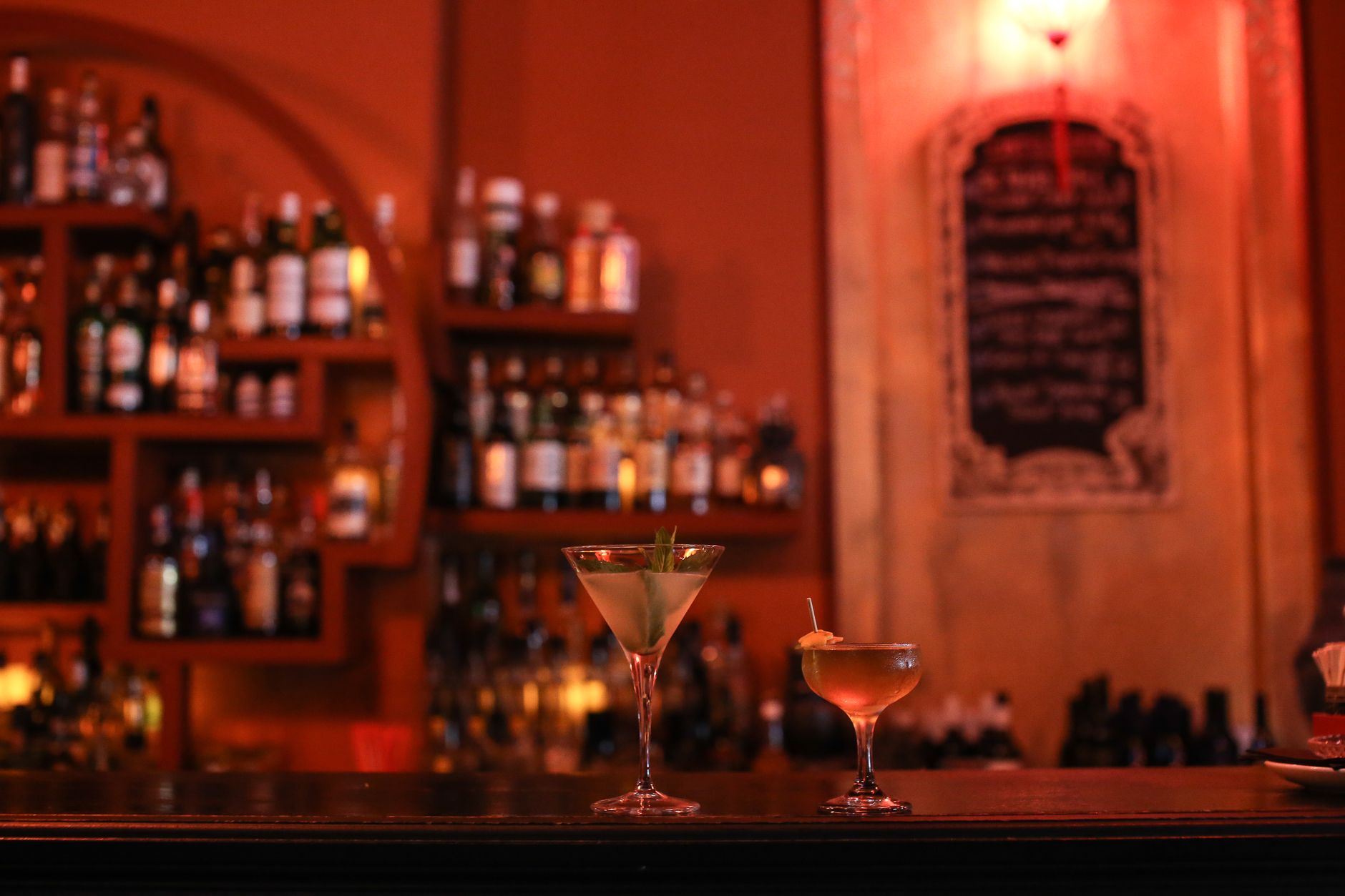
A classic cocktail does more than mix familiar ingredients. It gives each one a clear role: a base spirit brings character, while sweet, sour, bitter, or sparkling elements shape the finish. Once you recognize a few common styles, choosing a drink becomes easier—and trying something new feels less like a guess. Here’s a guide to the flavor balance behind enduring favorites, whether you prefer a strong, stirred drink or something bright and refreshing.
Spirit-Forward and Stirred
A Martini and a Manhattan belong to the spirit-forward family. The base spirit leads, while vermouth adds herbal depth and softens its edges. A Martini often tastes crisp and dry; a Manhattan leans richer, especially with sweet vermouth. Stirring keeps these drinks smooth and clear, while a small garnish can add a fragrant, savory, or citrus note.
The Old Fashioned follows a simple formula: whiskey, a little sugar, bitters, and water from stirring or ice. Its balance comes from restraint. Too much sugar can bury the whiskey, while too little may leave its heat unchecked. Try one if you enjoy lingering flavors and want to notice how a few carefully measured ingredients can change the character of a spirit.
Sours: Bright, Sweet, and Tart
A sour pairs a spirit with citrus and a sweetener. A Whiskey Sour brings warmth and oak, while a Daiquiri uses rum for a lighter, often fruitier profile. The key is contrast: citrus gives the drink lift, and sweetness rounds out the sharpness. When neither element dominates, the base spirit still comes through and each sip feels lively rather than sugary.
Sours are a useful starting point if you like fresh, balanced flavors. Ask about the citrus and spirit in a drink, especially if you have a preference for lemon over lime or a particular liquor. Some versions include egg white, which creates a silky texture and foam; it changes the mouthfeel more than the basic sweet-tart structure.
Bitter, Herbal, and Aromatic
An aperitif-style cocktail often combines bitter or herbal ingredients with a spirit and something sweet or sparkling. A Negroni pairs gin, bitter aperitif, and sweet vermouth in equal parts, creating a bold mix of citrusy, herbal, bitter, and sweet notes. The bitterness is part of the appeal, not a flaw to hide, and it can make the drink feel especially suited to a slow sip.
Bitters and aromatic liqueurs also add complexity to other cocktail styles. If you’re new to bitter flavors, try a drink where citrus or bubbles soften their intensity, or ask the bartender for a gentler introduction. Notice how the aroma reaches you before the first sip: herbs, orange peel, and spices can shape what you taste without making the drink sweeter.
Highballs and Refreshing Long Drinks
A highball combines a spirit with a larger pour of a carbonated mixer over ice. A Gin and Tonic is a familiar example: botanical gin meets tonic’s sweetness and bitterness, while bubbles keep the drink lively. Other long drinks may use soda, ginger beer, or citrus. Their lighter texture and slower dilution make them an easy choice when you want a refreshing drink rather than a concentrated one.
Balance matters here, too. A mixer should support the spirit, not erase it, and plenty of cold ice helps keep the drink crisp as you sip. Consider whether you enjoy bitter tonic, spicy ginger, or neutral soda before ordering. That small preference can point you toward a highball you’ll genuinely enjoy, rather than simply choosing the first familiar name on the menu.
Classic cocktails endure because their ingredients work in balance, not because every drink suits every palate. Start with the style that sounds appealing—spirit-forward, sour, bitter, or sparkling—and pay attention to the flavors you enjoy. At Sidecar Social, ask the bartender for a recommendation based on your tastes, then explore from there.